

Piedmont grew up along the banks of the Saluda River, around one of the earliest textile mills in the Upstate. Some of the homes in the old mill village have been standing for well over a century, perched on the hillsides that slope down toward the water. The community even straddles two counties, with Greenville on one side of the river and Anderson on the other.
Homes that old were built long before anyone thought about insulation or tight windows, and keeping them warm takes a furnace that’s in good shape. Chisholm Plumbing, AC & Furnace Repair repairs gas furnaces, electric furnaces, and heat pumps with furnace backup for homeowners and businesses throughout Piedmont. You’ll get upfront pricing on every repair and 24/7 emergency service when the heat quits.


In an older, drafty house, it can be hard to tell whether the furnace is struggling or the house is just losing heat. Often it’s a bit of both. These signs point toward a furnace that needs attention.
A loud boom when the furnace lights is one sign you shouldn’t ignore. It usually means gas is building up before it ignites, and it should be checked as soon as possible.
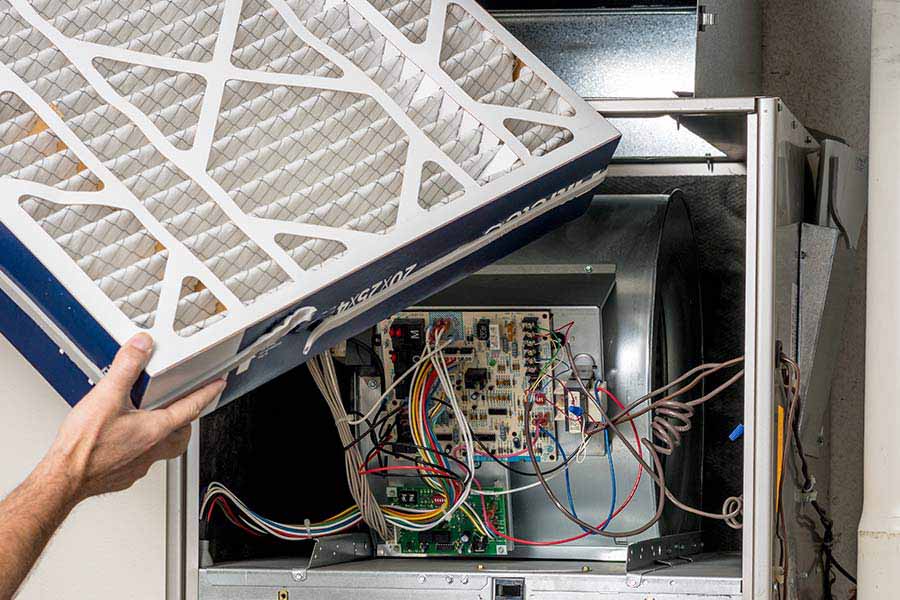
Heat loss is the biggest challenge in Piedmont’s oldest homes. Mill houses built in the late 1800s and early 1900s often have thin walls, original windows, and little insulation, so warm air escapes almost as fast as the furnace can make it. A furnace in a home like that runs far longer than it was designed to, which wears out ignitors, blower motors, and inducer motors before their time.
Being close to the river brings its own issues. Low ground along the Saluda tends to hold damp air and morning fog through much of the year, and that moisture finds its way into crawlspaces and furnace closets. Burners rust, flame sensors corrode, and debris from rusting burners can cause delayed ignition. That’s the boom some homeowners hear when the furnace lights.
Thermostat placement causes more trouble than most people expect. In older homes, thermostats were often mounted wherever was convenient, sometimes on an exterior wall or in a drafty hallway. When the thermostat reads colder or warmer than the rest of the house, the furnace runs at the wrong times. Newer homes on the edges of Piedmont see more typical problems, like failed capacitors, worn ignitors, and filters loaded with spring pollen and red clay dust.

Fixing a furnace in a century-old home takes patience and a good eye. We don’t just get your system running again. We look at how the furnace, the house, and the thermostat are working together, because in older homes, those pieces are closely connected.
Our technician will check the burners, ignition, gas pressure, flame sensor, inducer motor, blower, safety switches, and venting. We’ll also look at where your thermostat is mounted and whether it’s reading the house accurately. Every gas furnace repair includes a carbon monoxide test and a heat exchanger inspection, which is especially important in homes where venting has been modified over the years.
Once we know the cause, we explain it clearly and give you the price before any work begins. If we notice something that’s making your furnace work harder than it needs to, like a badly leaking duct or a poorly placed thermostat, we’ll point it out so you can decide whether to address it.
Steve lives in one of the older mill houses in Piedmont, and for a few weeks in December, his furnace had been making a loud whump every time it lit. At first, it was just startling, but then the furnace started shutting off and relighting several times an hour. His wife finally told him to call before it got any worse.
Our technician found that the burners had rusted from years of damp air in the crawlspace, and flakes of rust were partially blocking the burner ports. Gas was building up for a split second before igniting, causing the boom. He removed and cleaned the burners, cleaned the flame sensor, checked the gas pressure, and tested the venting and heat exchanger for safety before firing the furnace back up.
The furnace lit smoothly and quietly on the next cycle, and Steve’s house warmed up within the hour. Delayed ignition is common in damp spaces near the river, and a yearly burner cleaning can keep it from happening.
We serve families on both sides of the Saluda, and we treat each one like our own. That means doing honest work at a fair price and making sure you understand what’s going on with your system. Here’s what you can count on from our team.
When your furnace needs help, give Chisholm a call and we’ll get you warm again.
A boom at startup is usually delayed ignition, often caused by dirty or rusted burners. It should be checked soon, since it can damage the furnace over time.
Yes. When heat escapes quickly, the furnace runs longer and works harder, which increases wear on its parts and raises your energy bills.
A thermostat works best on an interior wall, away from drafts, doors, windows, and direct sunlight, so it reads the true temperature of your home.
Yes. We repair furnaces for homes and businesses throughout Piedmont, on both sides of the river.
Close off unused rooms, keep doors shut, and layer up. If you use a space heater, keep it away from anything flammable and never leave it running unattended.