


Spartanburg earned the name Hub City back when rail lines met here from every direction, and the city still has the character of those busy early years. Historic homes with tall ceilings and plaster walls line the older neighborhoods near downtown, while brick storefronts, churches, and offices fill the blocks around Morgan Square. Farther out, newer subdivisions and commercial areas keep stretching the city in every direction.
All of those buildings need dependable heat, and each one presents its own set of challenges. Chisholm Plumbing, AC & Furnace Repair repairs gas furnaces, electric furnaces, heat pumps with furnace backup, and commercial heating systems throughout Spartanburg. You’ll get upfront pricing before any work starts and 24/7 emergency service when your heat can’t wait.

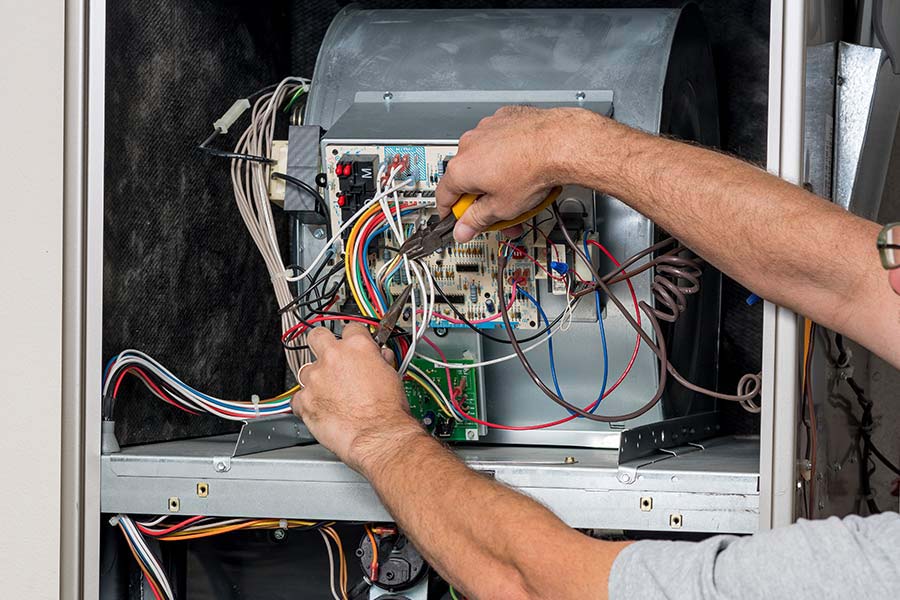
In a home with high ceilings, you might feel warm standing up but notice cold floors and chilly feet the moment you sit down. That’s normal to a point, but when it gets worse, the furnace may be falling behind. Here are some other signs that it’s time to call.
If you ever smell gas, leave the building and call your gas company right away. For everything else, a quick visit from our team can usually pinpoint the problem.

Tall ceilings are one of the best features of Spartanburg’s older homes, but they make heating more difficult. Warm air rises and collects up high, leaving the living space below cooler than the thermostat setting. The furnace runs longer trying to make up the difference, which puts extra wear on blower motors, ignitors, and limit switches. Old thermostats mounted on plaster walls can also read the temperature inaccurately, causing the system to start and stop at the wrong times.
Many of these homes have been through several heating systems over the decades. Some still have older equipment in closets or crawlspaces, and others have newer furnaces connected to ductwork that was added long after the house was built. Rattling, leaky, or undersized ducts are common, and Upstate humidity speeds up rust on both ducts and furnace parts.
Commercial buildings bring a different set of problems. Churches, offices, and shops that sit empty part of the week often see their heating equipment start up cold and run hard to catch up before people arrive. Rooftop units and gas-fired heaters in these buildings deal with worn belts, dirty burners, and failing ignition controls. Newer homes on the edges of the city see more of the usual wear, from capacitors to flame sensors to pollen-clogged filters.
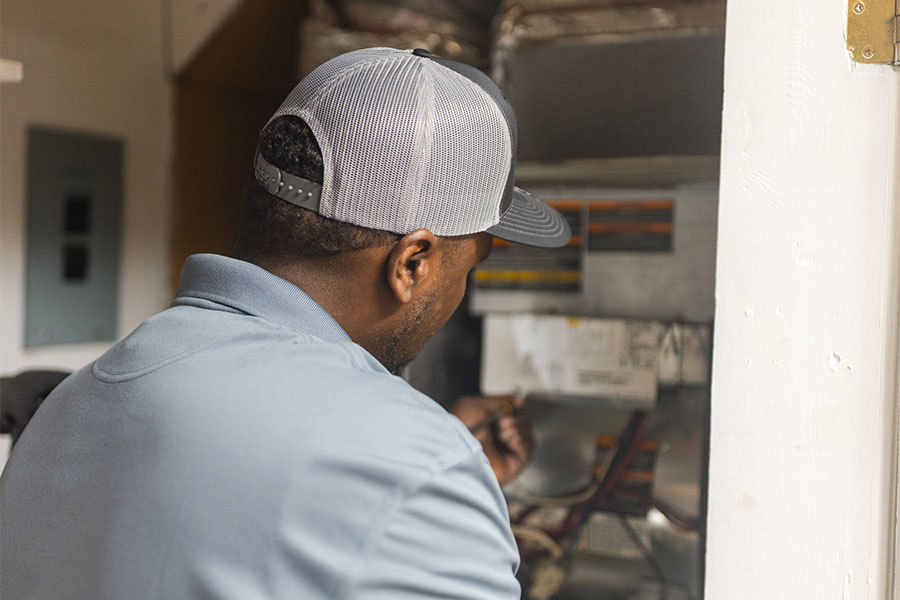
Whether you’re a homeowner in a historic neighborhood or a business owner downtown, the repair process starts the same way. We listen to what you’ve noticed, ask a few questions, and then let our technician get to work finding the real cause. For commercial clients, we do our best to schedule around your hours and keep downtime short.
We test the thermostat, wiring, control board, ignition, burners, blower, safety switches, and venting on every repair. In older homes, we pay close attention to ductwork and airflow, since those often explain why certain rooms never warm up. For commercial systems, we also check belts, rooftop components, and controls. Every gas repair includes a carbon monoxide test and a heat exchanger inspection.
After we’ve found the issue, you’ll get a clear explanation and an upfront price before anything gets done. When the repair is finished, we test the system through a full heating cycle. If we notice anything else worth keeping an eye on, we’ll let you know so you can plan ahead.
Laura lives in a historic home in Converse Heights, and this past winter, her heating seemed to have a mind of its own. Some days the furnace ran nonstop, and other days the house dropped well below her setting before it kicked on. She’d been fiddling with the old dial thermostat in the hallway for weeks before calling us.
Our technician checked the furnace first and found it in good working order. The problem was the thermostat itself. It was decades old, mounted on an outside wall, and the wiring behind the plaster had a loose connection. He replaced it with a new programmable thermostat, secured the wiring, and helped Laura set a schedule that fit her routine. He also cleaned the flame sensor and changed the filter while he was there.
Her furnace started running normal, steady cycles that same day, and the house finally held a consistent temperature. Sometimes the fix isn’t the furnace at all, and that’s why we always check the whole system.

We’re just down I-85 in Greer, and we treat Spartanburg homes and businesses with the same care we’d give our own family. That means honest advice, fair pricing, and work done right. Here’s what sets us apart.
When your furnace needs attention, give Chisholm a call and we’ll be there.
Warm air rises and collects near the ceiling, leaving the lower part of the room cooler. Running ceiling fans clockwise on low can push that warm air back down.
If it’s inaccurate or causing your furnace to run at the wrong times, replacing it can improve comfort and help the furnace run more efficiently.
Yes. We repair heating equipment for churches, offices, shops, and other commercial buildings throughout Spartanburg.
At least once a year is a good rule, with more frequent checks for buildings that run their heating long hours or see heavy use.
Yes. We offer 24/7 emergency furnace repair for homes and businesses across Spartanburg.