


Anderson earned the nickname The Electric City more than a century ago, but most homes here still count on a furnace or a heat pump with furnace backup to get through January. Winters in this part of the Upstate are mild compared to the mountains, yet a run of cold nights near freezing can push an older furnace past what it can handle. When your heat quits, you want a crew that shows up, finds the problem, and tells you straight what it will take to fix it.
Chisholm Plumbing, AC & Furnace Repair handles furnace repair for homeowners and businesses throughout Anderson and the surrounding area. We work on gas furnaces, electric furnaces, and heat pump systems with furnace backup. We also offer 24/7 emergency service for the nights that can’t wait until morning, and you get upfront pricing before any work begins.

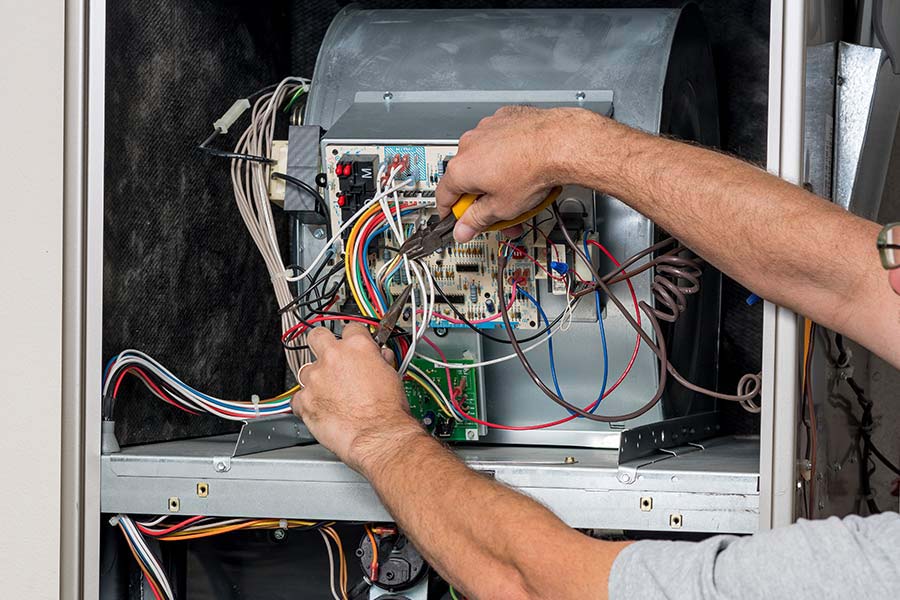
Most furnace trouble in Anderson shows up the first week it turns cold. After sitting idle through a long, humid summer, burners collect dust and moisture, and small problems that started months ago finally make themselves known. Keep an eye out for these signs when your system starts back up.
A faint dusty smell the first time the heat runs is normal, but anything that hangs around or keeps coming back is worth a call. If you ever smell rotten eggs near your furnace, leave the house and call your gas company first.
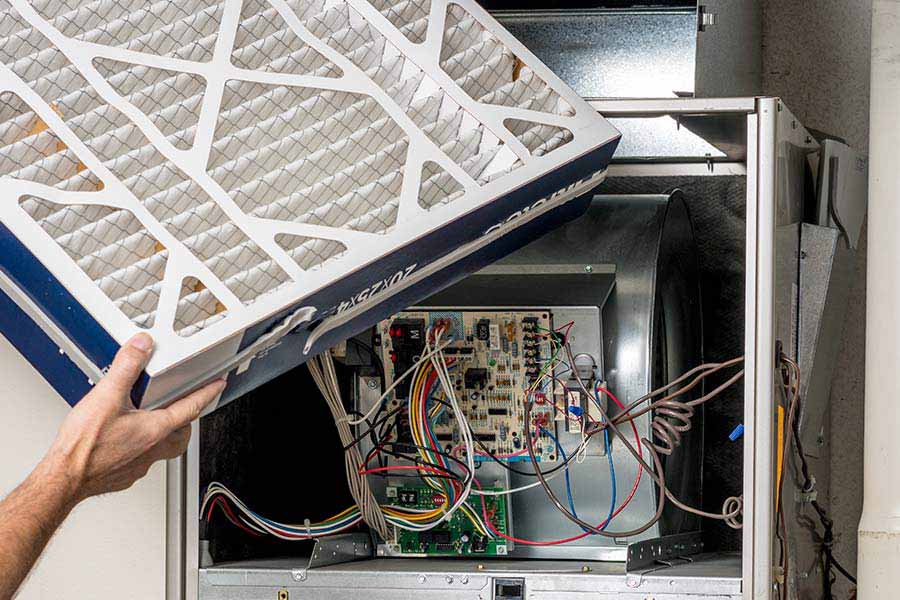
Anderson has a little bit of everything when it comes to housing, and each type of home tends to wear out a furnace in its own way. Older homes near downtown and in the former mill villages often have equipment tucked into tight crawlspaces or closets. Poor airflow and aging ductwork make those furnaces work harder than they should. We see a lot of worn blower motors, failing capacitors, and dirty flame sensors in these homes.
Newer neighborhoods off Clemson Boulevard and out toward Lake Hartwell usually have heat pumps paired with a gas furnace for backup. Those dual systems depend on the thermostat and control board talking to each other correctly. That makes failed control boards, faulty sensors, and wiring issues common calls. Extra moisture near the lake can also corrode electrical connections faster than you might expect.
No matter the age of the home, we regularly repair ignitors that won’t light, pressure switches that keep burners from firing, and clogged condensate lines on high-efficiency units. Limit switches that trip because of a dirty filter are another frequent one. Red clay dust and heavy spring pollen load up filters quickly here, and a choked filter is behind more shutdowns than most people realize.

When we arrive, the first job is finding out why your furnace stopped doing its job, not just getting it to run for one more day. Our technician checks the thermostat, filter, ignition system, burners, blower, safety controls, and venting so the real cause gets fixed. We also check for carbon monoxide and look over the heat exchanger for cracks. A furnace that runs but isn’t safe is not a repair we will walk away from.
Once we know what’s wrong, we explain it in plain language and give you the price before we start. Many common repairs, like replacing an ignitor or cleaning a flame sensor, can be handled in a single visit. If your furnace is old enough that repairs no longer make sense, we will tell you that honestly and go over your options without any pressure.
Upstate winters can bring the occasional ice storm that knocks out power and leaves furnaces struggling when it comes back on. That’s why our emergency line stays open 24/7. Whether it’s a midnight breakdown at home or a business that needs heat before customers walk in, we’ll get someone out to you.
Last winter, a homeowner named Linda called us early on a chilly weekday morning. Her furnace in Homeland Park had been clicking on, running for a few seconds, and shutting right back off all night long. By the time she called, the house had dropped into the low 60s. Her home was built decades ago, and the furnace sat in a crawlspace that stays damp most of the year.
Our technician found a corroded flame sensor that could no longer confirm the burners had lit, so the furnace kept shutting itself down as a safety measure. He replaced the sensor, swapped out a filter packed with dust, and checked the venting and heat exchanger while he was there. The heat was back on within the hour, and Linda had a warm house before her grandkids came over that afternoon.
It was a simple fix, but it shows how crawlspace moisture in older Anderson homes can wear down furnace parts faster than you’d expect. A yearly checkup catches these issues before they leave you in the cold.
We treat every home we work in the way we’d want our own family’s home treated. That idea shapes how we answer the phone, how we price our work, and how we leave your house when the job is done. Here’s what Anderson homeowners can count on from our team.
When your furnace gives out, give us a call and we’ll get your home warm again.
Most furnaces last around 15 to 20 years with regular maintenance. Units in damp crawlspaces or ones that skip yearly tune-ups can wear out sooner.
Often yes, if the repair is minor. If the unit is near the end of its life or needs a major part like a heat exchanger, replacement may make more sense, and we’ll give you an honest recommendation.
Dust settles on the burners during the off season and burns off the first time the heat runs. The smell should fade within a few hours. If it doesn’t, give us a call.
Most standard filters should be changed every one to three months. Homes with pets or lots of pollen and dust may need changes more often.
Yes. Our team is available 24/7 for heating emergencies in Anderson and the surrounding area.